
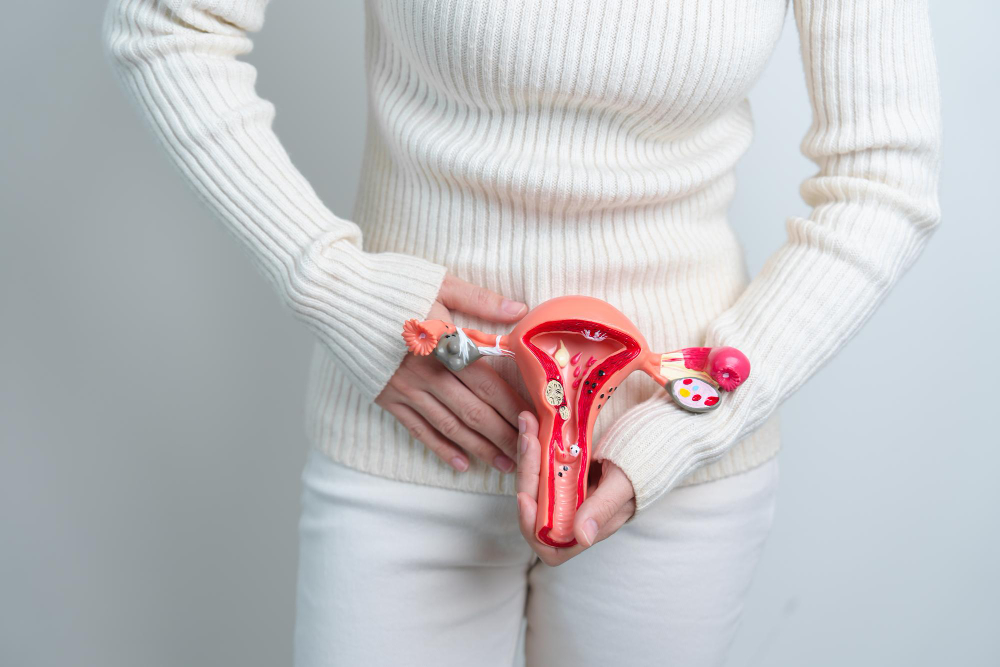
Fibroids are common growths that develop in or around a woman’s uterus. Many women have fibroids at some point in their lives. Although most fibroids are not cancerous, they can cause discomfort and other health issues. In this blog, you will learn about fibroids, their symptoms, causes, diagnosis, and treatment options. Understanding fibroids is important for women’s health and well-being.
What Are Fibroids?
Fibroids, also called uterine fibroids, are non-cancerous lumps that grow in the muscle wall of the uterus. The uterus is the organ where a baby grows during pregnancy. Fibroids can be as small as a seed or as large as a melon. Sometimes, a woman may have just one fibroid. Other times, there may be many. Most fibroids do not turn into cancer. However, they can still cause problems for some women.
Common Symptoms of Fibroids
Many women with fibroids do not notice any symptoms. However, some may experience signs that affect daily life. For example, you may notice:
Sometimes, fibroids can make it hard to get pregnant. If you notice any of these symptoms, it is important to talk to your doctor. Early care can help manage fibroid symptoms and improve your quality of life.
Causes and Risk Factors
Doctors do not know exactly what causes fibroids. However, certain factors can increase your risk. For instance, hormones like estrogen and progesterone can make fibroids grow. These hormones are higher during childbearing years. Other risk factors include:
Even though you cannot control all risk factors, knowing them can help you make healthy choices. According to the CDC, fibroids are most common in women aged 30 to 50.
How Fibroids Are Diagnosed
If you have symptoms of fibroids, your doctor may suggest a few tests. First, your doctor will ask about your health and do a pelvic exam. This exam checks for changes in the size or shape of your uterus. Next, your doctor may order an ultrasound. This test uses sound waves to create pictures of the uterus. Sometimes, other tests like MRI or hysteroscopy are needed. These tests help your doctor see the size, number, and location of fibroids. Early diagnosis can help you get the right treatment and avoid complications.
Treatment Options for Fibroids
Treatment for fibroids depends on your symptoms, age, and plans for pregnancy. Some women do not need treatment if their fibroids are small and do not cause problems. However, if you have symptoms, your doctor may suggest:
Each treatment has benefits and risks. Therefore, it is important to discuss your options with a gynecologist. In some cities, you can find special clinics for fibroid treatment. For example, searching for “fibroid treatment in [your city]” can help you find local care.
Lifestyle Tips and Prevention
While you cannot always prevent fibroids, healthy habits may lower your risk. For instance, you can:
Additionally, managing stress and staying active can support overall women’s health. Although these steps may not stop fibroids, they can improve your well-being.
Conclusion
In summary, fibroids are common and often harmless, but they can cause symptoms that affect daily life. Early diagnosis and the right treatment can help you feel better. If you have concerns about fibroids or women’s health, consult a gynecologist at VI Clinics Dental & Women Care for personalized advice.